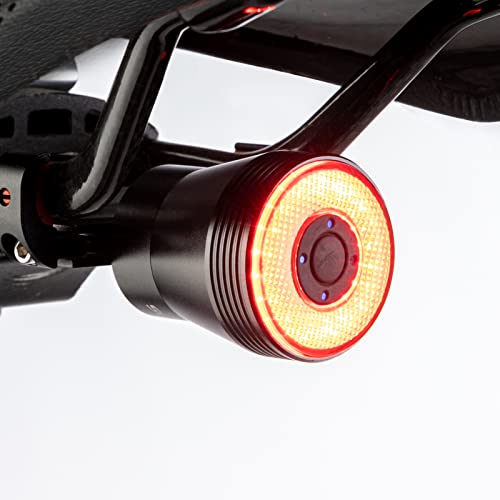
A rear bike light is one of the simplest pieces of gear that can dramatically improve your safety on the road. REI’s urban bicycling guide stresses that being visible is a key behavior for riding safely in traffic, and equipping your bike with a flashing rear safety light is a core part of that strategy. Whether you ride at night, in gloomy daylight, or on busy streets, a rear light helps drivers and other road users notice you from behind.
Why a Rear Light Matters
According to REI’s guide to bike lights, rear safety lights are designed to help motorists see you in dim light conditions, and the brightest ones can improve your visibility even in the daytime. They are not meant to illuminate the road ahead; instead, they signal your presence. REI’s commuting gear checklist specifically calls out a taillight with a blinking option as an essential item, and the urban cycling article recommends using front and rear flashing safety lights at night and in gloomy daylight conditions.
Mounting Positions for Rear Lights
REI’s bike light guide explains that rear safety lights can be mounted on your pack, pocket, or seatpost. Some models can also be attached to the back of a rear bike rack. The right position depends on your bike setup and how you carry gear. A seatpost mount keeps the light at a consistent height and angle, while a pack or pocket clip can be handy if you switch between bikes or wear a backpack. For riders using panniers or a trunk bag, a rack-mounted light may stay unobstructed. Our bike light mounts guide covers seatpost, handlebar, and out-front options in more detail.
Flash vs Steady Modes
REI notes that a flashing light emits an eye-catching pulse, either steady or random, and uses less battery power than a steady beam. This makes flashing modes especially useful for extending run time and grabbing attention during the day. The guide advises that it is difficult to see well with a flashing headlight in the dark, so flash mode on a headlight is best saved for daytime use. A rear light is a “be seen” light, and REI’s urban bicycling advice is to use front and rear flashing safety lights at night and in gloomy daylight. Most lights offer both flashing and steady modes, and steady uses more battery, so check runtime in the mode you plan to use.
Daytime Use and Visibility
REI’s bike light guide states that the brightest safety lights improve your visibility in the daytime. The urban bicycling article reinforces this, recommending that you equip your bike with front and rear flashing safety lights and use them even in gloomy daylight. For extra visibility, REI suggests adding spoke lights, which clearly show your wheels in motion. Beyond lights, REI’s commuter gear advice includes putting a reflective band on your helmet and wearing reflective clothing. A bright jacket or top and a white helmet also help you stand out. You can explore reflective and high-visibility options in our cycling apparel section and our commuter helmet guide.
Battery Types and Care
Most rear lights fall into the safety light category, which REI defines as lights below 250 lumens. These can use either rechargeable or disposable batteries. REI’s guide explains that rechargeable systems feature lithium ion batteries that can be charged hundreds of times, making them an inexpensive and environmentally sound alternative to disposables. Unlike alkalines that dim slowly, most rechargeables deliver consistent light until their power is exhausted, and they often include a fuel gauge or low-battery warning. REI advises that you fully charge the battery before storage, avoid overcharging (smart chargers typically stop automatically), and plug in and charge your system before every use because inactive batteries lose charge over time. For more on choosing lights for commuting, see our bike lights for commuting guide.
Reflectors and Reflective Clothing
In addition to active lights, REI’s commuter bike accessories article recommends front, back, and side reflectors, plus a reflective band on your helmet and reflective clothing. The urban cycling checklist includes a visibility vest and leg straps for pants, which often have reflective accents. These passive measures work without batteries and add a layer of conspicuity, especially when headlights hit them from behind. Our commuter cycling gear article covers more ways to stay visible on the road.
Local Laws and Regulations
Bike light laws vary by state and city. Requirements for rear lights and reflectors differ between places, and e-bike rules can add more, so check your local traffic code to make sure your setup is legal.
Comparison Table: Rear Light Features
REI’s bike light guide highlights several features that affect how a rear light performs. The table below summarizes these features and why they matter for everyday riding.
| Feature | Why It Matters |
|---|---|
| Mounting options (seatpost, rack, pack, pocket) | Lets you position the light where it is most visible to drivers and compatible with your bike and bags. |
| Flashing mode | Eye-catching pulse that uses less battery power than a steady beam (REI). |
| Steady mode | A constant light; uses more battery than flashing, per REI. |
| Rechargeable lithium ion battery | Can be charged hundreds of times, delivers consistent light until exhausted, and often includes a low-battery warning. |
| Lumens (brightness) | Safety lights below 250 lumens are designed to help you be seen, not to illuminate the road. |
| Weatherproof housing | REI says the lights it sells use durable housings sealed with weatherproof gaskets; check the rating of any light you buy. |
Frequently asked questions
Do I need a rear light during the day?
REI’s guides indicate that the brightest safety lights improve daytime visibility, and using a flashing rear light in gloomy daylight is recommended. Check local rules for when lights are required.
Can I mount a rear light on my backpack instead of the bike?
Yes. REI’s bike light guide lists pack and pocket as mounting options for rear safety lights. This can be convenient if you use multiple bikes or want to keep the light with you when you park.
How do I maintain a rechargeable rear light battery?
REI advises fully charging the battery before storage, avoiding overcharging (smart chargers handle this), and plugging in the light before every ride because inactive batteries lose charge over time.
For more guides on lights, locks, helmets, and other cycling essentials, visit our bike lights category page.