Panniers turn a bike into a load carrier for commuting, errands and touring. This guide covers racks, how panniers attach, waterproofing, capacity, heel clearance and weight, using REI’s advice on racks and bags, commuting gear and bikepacking.
What Panniers Are and Why You Might Choose Them
Panniers are roomy bags that attach to front or rear cargo racks on your bicycle. According to REI’s guide on bike racks and bags, they are named after the French word for baskets and offer storage that protects your gear from weather while letting you quickly disconnect the bag and take it with you. They are popular with commuters because they carry lots of gear out of the way, and they are also a core option for touring riders who need to haul camping equipment or supplies over long distances.
Racks First: The Foundation for Any Pannier
Before you choose a pannier, your bike needs a cargo rack. REI’s expert advice explains that a rear rack provides a stable framework and is usually rated to carry loads between 20 and 50 pounds, with a few heavy-duty touring models able to carry up to 80 pounds. Rear racks typically attach to braze-on mounts on the frame. If your bike lacks those mounts, most racks include metal C-clips that wrap around the frame tubes to accept the lower mounting bolt.
A front rack is a secondary option that adds carrying capacity but also adds weight to the front wheel, which can affect steering and balance. REI notes that front racks are popular mostly with touring cyclists who carry large volumes of gear. A standard front rack lets you carry a load above the wheel and off the sides, while a low-rider rack holds bags only on the sides, keeping weight closer to the ground for better balance. For more on rack options, see our guide to bike rack types for carrying bags.
Key Pannier Features to Compare
Attachment and Security
Panniers attach to racks using a simple system of spring-loaded hooks, clips or bungee cords, REI explains. This design makes them easy to disconnect when you park in a public area and want to take your gear with you. A secure attachment is critical: loads that are not properly secured can shift unexpectedly during a ride and cause a loss of control.
Water Resistance vs. Waterproofing
If you ride in all conditions and do not shy away from rain or road spray, REI recommends looking for a bag rated as “waterproof” instead of merely “water resistant.” Waterproof bags are made from a rubberized material and often feature a roll-top closure to prevent water from getting inside.
Capacity and Organization
Panniers provide roomy storage, but small items tend to get lost inside large, undivided spaces. REI suggests using stuff sacks to stay organized. Some bags adjust via compression straps or expandable collars, which let you carry loads of varying sizes without unused portions flapping in the wind or the load shifting as you move. Consider how many openings the bag has, whether it uses zippers or flaps, and whether it includes small pockets or simply one large compartment.
Commuting with Panniers: What to Watch For
For bike commuters, panniers keep your back and shoulders free from weight, and you can take them with you into the office, according to REI’s commuter gear guide. The bags generally keep the weight of your stuff lower on the bike’s center of gravity for more stability. However, REI also lists trade-offs: panniers have smaller capacity than backpacks, add weight and stress on the rear wheel, can impede your pedal stroke if mounted too far forward, and the combination of a rear rack and panniers increases wind drag.
A critical fit check is heel clearance. REI warns that panniers that are too large, or mounted improperly too far forward, can cause your heel to strike the bag as you pedal, creating an unsafe riding situation. Before you buy, confirm that your setup leaves plenty of room for your heel throughout the pedal stroke.
Touring and Bikepacking: Where Panniers Fit
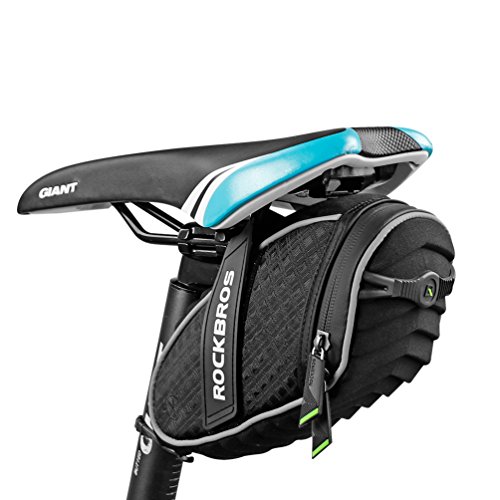
For touring and bikepacking, panniers are an option for carrying heavy items such as water, food and a stove, REI’s bikepacking overview explains. A typical beginner gear setup may include panniers on a rear rack alongside a handlebar bag and a daypack. However, REI notes that bikepacking enthusiasts who ride narrow singletrack trails often skip panniers entirely because their width makes them easily damaged on tight trails. Those riders tend to favor frame bags, large seat bags and handlebar bags for a more streamlined profile. If your routes include narrow paths or technical terrain, consider whether a pannier’s width will be a problem. Our bikepacking bags guide covers those alternatives in detail.
Weight Distribution and Riding Precautions
Where you place weight changes how your bike handles. REI’s bikepacking guidance stresses that most of the weight should be placed as low as possible on the bike to improve handling and riding comfort. REI’s rack advice adds that a front rack adds weight to the front wheel and can affect steering and balance, while a low-rider front rack keeps that weight closer to the ground. When you ride with loaded panniers, REI advises limiting your speed, especially on downhills, and allowing longer stopping distances.
Pannier Choice at a Glance
| Pannier Choice | Best For | Watch Out For |
|---|---|---|
| Single rear pannier | Light commutes, carrying a change of clothes or a laptop | Unbalanced side load; pair is more stable |
| Pair of rear panniers | Commuting with heavier loads, grocery runs, touring | Added rear-wheel stress and wind drag; check heel clearance |
| Front panniers (low-rider) | Touring with large gear volumes, balancing front/rear weight | Affects steering; not ideal for narrow trails |
| Waterproof roll-top panniers | All-weather commuting and multi-day touring | Typically fewer quick-access pockets |
Lights, Laws and the Rest of Your Kit
Bike laws on lights, helmets and e-bike classes vary by state and city, so check local rules. If you add a rear rack and panniers, make sure your rear light can still be seen. Our rear bike light guide, commuter bike helmet guide and roadside bike repair kit cover the rest of a commuting setup.
Frequently asked questions
Can I use one pannier instead of a pair?
Yes. REI’s guide confirms that panniers can be used singly or in pairs. Whichever you choose, REI’s bikepacking advice to keep most of the weight as low as possible on the bike still applies.
Do I need a front rack for front panniers?
Yes. Front panniers require a front cargo rack. REI describes two primary styles: a standard top-mount rack that can carry a load above the wheel and off the sides, and a low-rider rack that holds bags only on the sides but keeps weight closer to the ground for better balance. Choose the rack style based on how much gear you plan to carry and how you want the bike to steer.
Are panniers better than a backpack for commuting?
It depends on your priorities. REI’s commuter gear guide notes that panniers keep weight off your back and shoulders, reduce sweating, and place the load lower on the bike for more stability. A backpack offers maximum capacity and goes with you across multiple bikes without any hardware, but carrying weight on your body can increase fatigue.
Ready to explore more bag and storage options? Browse our Bags & Storage category for guides on handlebar bags, frame bags, trunk bags and more.