How Bikepacking Bags Carry Your Gear
Bikepacking bags let you carry camping and riding essentials directly on your bike, without the bulk of traditional racks and panniers. According to REI’s bikepacking guide, the goal is to keep most of the weight low and centered on the bike, which improves handling and comfort on long rides. Soft bags that strap to the frame, handlebars and saddle are the core of a streamlined setup, especially for riders who tackle narrow singletrack trails where wide panniers can get damaged.
Types of Bikepacking Bags
REI’s bike bag guide and bikepacking guide describe several bag styles, each suited to a different location and load. The table below summarizes the main options, built from those sources.
| Bag type | Location | Best for |
|---|---|---|
| Frame bag | Main triangle (top tube, seat tube, down tube) | Heavy items such as a hydration bladder, food or tools; keeps weight low and centered (REI bikepacking guide). Also good for phones and snacks within easy reach (REI bike bag guide). |
| Handlebar bag | Handlebars, attached with clamps or straps | Light to moderate items like a tent, pad, clothing, or gear needed quickly such as a map, camera or GPS (REI bikepacking guide). REI’s bike bag guide notes they are best for frequently used items like a camera, sunscreen and snacks. |
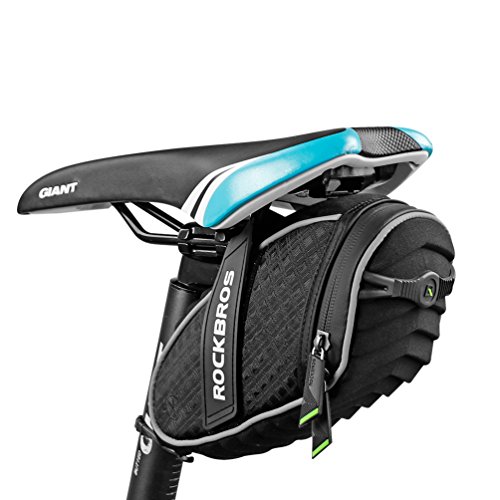
| Seat bag (large) | Under the saddle, attached to saddle rails | Light, bulky items (REI bikepacking guide). Smaller saddle packs carry a multi‑tool, spare tube, tire levers, patch kit or energy bar (REI bike bag guide). |
| Top‑tube bag | Top tube, often near the stem or seatpost | Snacks or a camera (REI bikepacking guide). Sometimes called a gas tank or bento box bag. |
Panniers and racks are another option, especially for beginners or riders who need to carry heavy loads. REI’s bike bag guide explains that panniers attach to front or rear racks with spring‑loaded hooks, clips or bungee cords, and can be disconnected quickly. Rear racks are usually rated to carry between 20 and 50 pounds, with a few heavy‑duty models handling up to 80 pounds. Front racks add carrying capacity but can affect steering and balance, so they are more common among touring cyclists carrying large volumes of gear.
Racks vs. Soft Bags: The Trade‑Offs
REI’s bikepacking guide points out that many enthusiasts skip panniers and rear racks when riding singletrack. Panniers are wide and can be easily damaged on narrow trails, and leaving the rack behind saves weight and reduces the risk of a mechanical failure. A typical enthusiast setup uses a large seat bag, a handlebar bag, a frame bag, and a top‑tube bag, with water bottle cages mounted on the frame, fork or under the downtube. Beginners, however, often start with a rear rack and a dry bag or panniers because that setup is simple and can carry heavier, bulkier items. REI lists a bike trailer as an option for group or family gear or very heavy items. For rack-based setups, see our bike rack types and panniers guides.
Waterproof vs. Water‑Resistant Bags
REI’s bike bag guide advises all-conditions riders who ride through rain and road spray to look for a bag rated “waterproof” rather than “water resistant.” Waterproof bags are made from a rubberized material to keep the contents dry even in a downpour, and many feature a roll‑top closure to keep water out. For rack users, REI notes that some trunk bags offer integrated rain covers.
Fit and Clearance Checks
Before heading out, check that your bags do not interfere with the bike’s controls or your pedaling. REI’s bike bag guide warns that a handlebar bag must not affect your ability to operate the brakes or shifters. Overloading a handlebar bag can also hurt balance because the weight sits high. For panniers, the guide advises making sure there is plenty of room for your heel as you pedal; a bag that is too large or mounted too far forward can cause a heel strike and an unsafe situation. Frame bags may prevent you from mounting water bottle cages inside the main triangle, so you may need to attach extra cages under the downtube or to the fork, as the bikepacking guide suggests.
What to Pack Where
REI’s bikepacking guide recommends placing heavy items as low as possible. A frame bag is ideal for a hydration bladder, food, or tools because it sits inside the main triangle and keeps the center of gravity low. Handlebar bags work well for light to moderate items like a tent, sleeping pad, or extra clothing, and they give quick access to a map, camera, or GPS. A large seat bag suits light, bulky gear. A top‑tube bag is handy for snacks or a small camera that you want within reach. Water bottle cages on the frame or fork keep water weight low and centered. If you use a daypack, REI’s guide suggests carrying only light, bulky items or things sensitive to vibration, because you do not want a lot of weight on your back.
For tools and spares, the bikepacking guide lists a multi‑tool with a chain tool, spare tubes, a patch kit, and tire levers as essentials. For extended trips, the guide adds chain lube, chain pins or power links, spare cables, and a light lock for in‑town stops. Padded bike shorts and gloves make long days more comfortable, and SPD‑compatible mountain bike shoes allow efficient pedaling and normal walking. A helmet is, of course, essential, and bike laws regarding helmet use, lights, and e‑bike classes vary by state and city, so check local regulations before you ride. A high‑output bike light mounted on the helmet or handlebars is recommended for riding in the dark, complementing a headlamp for camp.
Securing and Caring for Your Bags
REI’s bike bag guide stresses that bags must attach securely, because loads that are not secured can shift during your ride unexpectedly and cause a loss of control. Some bags adjust with compression straps or expandable collars, so a partial load does not flap in the wind or shift as you move. If you park in public areas, REI notes you will probably want to take your gear with you; panniers attach with spring‑loaded hooks, clips or bungee cords and are easy to disconnect. Check straps and attachment points before each trip. For locking up on resupply stops, see how to lock a bike properly.
Frequently asked questions
Do I need a rack for bikepacking bags?
Not necessarily. Many bikepacking bags attach directly to the frame, handlebars and saddle without a rack. REI’s bikepacking guide notes that enthusiasts often skip the rear rack to save weight and reduce the chance of mechanical failure on rough trails. Beginners may prefer a rear rack with a dry bag or panniers because it is simple and can carry heavier loads.
How do I keep my gear dry on a multi‑day trip?
Choose a waterproof bag made from rubberized material with a roll‑top closure, as described in REI’s bike bag guide. These bags keep contents dry even in a downpour. REI recommends a bag rated waterproof, rather than water resistant, if you ride through rain and road spray.
Can I use a frame bag and still carry water bottles?
Frame bags can block the bottle cage mounts inside the main triangle. REI’s bikepacking guide suggests attaching extra cages under the downtube or to the fork as a workaround. REI also lists a hydration bladder as a popular heavy item for a frame bag.
For more on bike bags and storage options, visit our Bags & Storage category.