Mountain bike shoes are purpose-built footwear that give you better control, comfort and power transfer on the trail. Unlike regular athletic shoes, they have stiffer soles that help you pedal more efficiently, and they are designed to work with a specific type of pedal. REI’s guide to cycling shoes explains that mountain bike shoes fall into two broad categories: clipless shoes that use a two-bolt cleat system, and flat shoes that rely on a grippy rubber outsole to stick to platform pedals.
Types of Mountain Bike Shoes: Clipless and Flat
REI’s expert advice on mountain bike shoes describes clipless models as shoes that use a two-bolt cleat system, typically from SPD, crankbrothers or Time styles. The cleats are recessed into the sole, which makes walking on trails or pavement much easier than with road shoes. These shoes are often chosen for cross-country, distance or nontechnical riding because they provide a secure connection to the pedals and efficient power transfer.
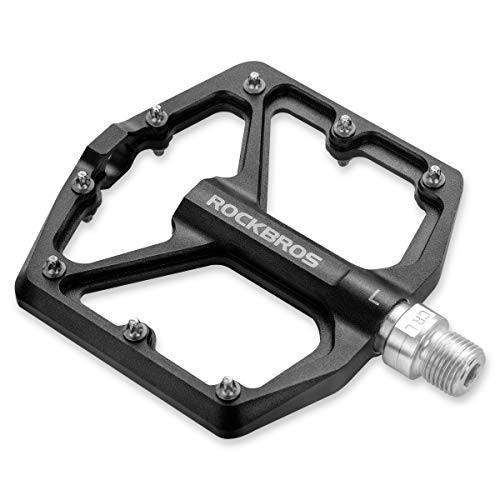
Flat mountain bike shoes, sometimes called platform shoes, do not have cleats. Instead, they feature a grippy rubber outsole that is designed to “stick” to flat, wider platform pedals. According to REI’s mountain biking clothing article, this style is convenient when you need to step on and off the bike frequently, and it is a good choice for casual riding, trail riding or more technical terrain. Because you are not clipped in, you can quickly put a foot down, which can build confidence on challenging sections.
How Shoes and Pedals Work Together
Your shoe choice must match your pedal system. REI’s pedal guide states that clipless mountain bike pedals use a two-hole cleat design, and the cleats snap into spring-loaded clips on the pedal face. REI says this connection lets you transfer power when you pull up and push down, and lists more power while climbing among the reasons riders choose clipless. Flat pedals, on the other hand, provide a stable, wider surface and are not intended for use with clipless shoes. They rely on the shoe’s grippy rubber sole for traction.
When you shop, you can start with either the shoes or the pedals, but you must keep compatibility in mind. REI’s bike shoes guide emphasizes that clipless mountain bike shoes accept two-hole cleats, and you need pedals that match that system. If you are unsure how the pieces fit together, our clipless vs flat pedals guide walks through the differences, and the flat pedal guide explains what to look for in a platform pedal.
Choosing Between Clipless and Flat Shoes
REI’s mountain biking clothing article highlights three factors to weigh: pedal compatibility, walkability and pedaling efficiency. Clipless shoes offer a locked-in feel that many riders prefer for long climbs and fast descents. Flat shoes let you dab a foot instantly and are often favored by downhill riders and those learning technical skills. The same article notes that if your bike becomes unrideable after a mishap, you might end up hiking, so walkability matters more than you might think.
The table below summarizes the key differences, based on information from REI’s shoe and pedal guides.
| Shoe Type | Pedal Compatibility | Walkability |
|---|---|---|
| Clipless mountain bike shoe | Two-bolt cleat system (SPD, crankbrothers, Time styles) | Cleats are recessed into the sole, making walking easier than with road shoes |
| Flat mountain bike shoe | Flat platform pedals (no cleats) | Grippy rubber outsole designed for traction; easy to walk and step off the bike |
Riders who want the efficiency of a clipless system but also the flexibility to wear regular shoes sometimes choose hybrid pedals, which have a platform on one side and a clipless mechanism on the other. REI’s pedal guide mentions that this style can be a good transition option for anyone easing into clipless riding.
Getting the Right Fit
REI’s bike shoe fit advice is straightforward: choose shoes that feel comfortable from the start. Because the soles are stiff, a shoe that is not comfortable initially is unlikely to break in and become comfortable later. Your toes should have a little room to wiggle, your arch should feel snug and supported, and your heel should not slide up and down. When you walk in the shoes, you may notice some heel slippage; REI explains that this is often caused by the stiff sole, which is designed to hold your foot stable while pedaling, not by a poor fit. If the slippage feels excessive, try a smaller size or a different model.
Bike shoes are sold in either U.S. or European sizing depending on the manufacturer. REI recommends checking the size chart on the product page for accurate conversion, because Euro size equivalents can vary by brand.
Closure Systems and Features
Mountain bike shoes use several closure types, each with trade-offs. REI’s guide lists lace-ups, which offer the most customizable fit but can get wet and dirty; hook-and-loop straps, which stay secure in muddy conditions and stretch less than laces; dial-lace systems like Boa, where you turn a knob to tighten cables and use a quick-release to loosen them; and single-pull laces that adjust with one toggle for fast on and off. If you ride with laces, make sure the ends are short or tucked away so they cannot catch in the chain.
For wet or cold conditions, REI’s mountain biking clothing article suggests looking for shoes with waterproof liners or adding a pair of shoe covers. Shoe covers, also called booties, are typically made of neoprene or a rubberized laminate and have cutaways for cleats or lugged soles. They are meant for riding only, not walking. Toe covers are a less bulky option that can take the edge off a chilly ride. You can find more cold-weather gear advice in our cycling apparel section.
Caring for Your Mountain Bike Shoes
Keeping your shoes clean helps them last. REI’s care instructions say to wipe them down with a towel or rag after a ride. For stubborn dirt, use a brush with warm water and a dab of soap. After a wet ride, dry the shoes thoroughly: towel off as much moisture as you can, remove the footbeds so they can dry separately, and then use a boot dryer or pack the shoes with newspaper overnight. REI suggests leaving newspaper in overnight and removing it in the morning once it has absorbed the moisture; a boot dryer uses warm, gentle airflow to dry shoes in a couple of hours.
Cleats wear down over time and need to be checked regularly. REI advises replacing your cleats if they become difficult to release or if they start to release with little effort or inadvertently. The replacement cleat must match your pedal model, so know which pedal you have before you shop. If you are unsure, a bike shop can help identify it. Our guide to setting up cleats explains how to position them for comfort and performance.
Bike laws, including helmet and light requirements, vary by state and city. Before you head out, check local regulations. Our helmet guide and bike lights guide can help you meet those rules. For a broader look at trail essentials, see the mountain bike gear checklist.
Frequently asked questions
Can I use mountain bike shoes for road cycling?
Yes, many road cyclists choose mountain bike shoes for their comfort and walkability. REI’s bike shoes guide notes that some road riders prefer the recessed cleats and easier walking of a two-bolt mountain bike shoe. You will need pedals that accept a two-hole cleat, because most dedicated road pedals use a three-hole system.
Do I need special pedals for flat mountain bike shoes?
Flat mountain bike shoes are designed to work with flat platform pedals. REI’s pedal guide describes platform pedals as providing a stable, wider surface that can be used with nearly any shoe, but flat-specific shoes with grippy rubber outsoles give you much better traction. You do not need cleats or a clipless mechanism.
How do I know when to replace my cleats?
REI recommends replacing your cleats if they become difficult to release or if they start to release with little effort or inadvertently. If you notice that clipping out feels different than it used to, inspect the cleats for wear and consider a fresh set that matches your pedal model.
Browse all of our shoe and pedal guides on the shoes and pedals category page.