 By Logan Fleming
Updated November 2026
Choosing a road bike cycling computer comes down to a handful of practical questions: how you navigate, how long you ride between charges, which sensors you already own, and how much screen real estate you actually need while your eyes should stay on the road. This list compares five units across those criteria. Each pick was assessed on published specifications, brand track record, and the patterns owners tend to mention in their feedback, including screen readability in sunlight, navigation reliability, battery endurance on long rides, and how easily the unit mounts to a road bar.
Our top picks at a glance
- 1
 TOP CHOICEBest overalliGPSPORT BSC500 GPS Bike Computer, 3.3'' Touch Screen MAP Voice NavigationView on Amazon
- 2
 TOP CHOICEBest for route-focused trainingGarmin Edge 540 Compact GPS Cycling ComputerView on Amazon
- 3
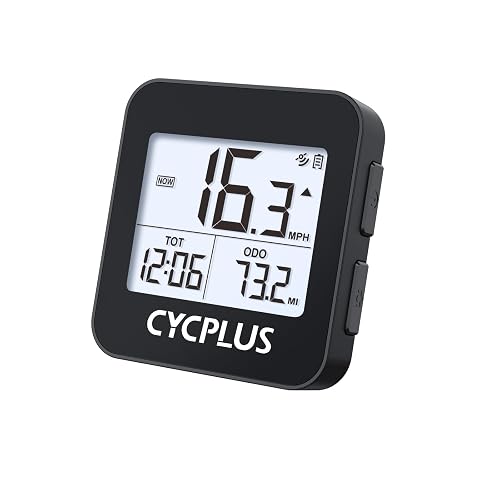 TOP CHOICEBest budget pickCYCPLUS Wireless GPS Bike Computer G1, 70g, 2.0" Screen, IPX6, 1200mAhView on Amazon
- 4
 Best for sensor integrationCOOSPO Color Touchscreen GPS Bike Computer CS600, Wireless IPX7 WaterpView on Amazon
- 5
 Best for minimalist setupsBicycle Speedometer Odometer, Green Auto Backlight, Auto Start Stop, MView on Amazon
Our Top Picks
| Product | Best for | Key feature |
|---|---|---|
| iGPSPORT BSC500 GPS Bike Computer | Riders who want map-based navigation | 3.3-inch touch screen with voice navigation |
| Garmin Edge 540 | Structured training and route guidance | Button controls with adaptive coaching and up to 26 hours of battery |
| CYCPLUS G1 Wireless GPS Bike Computer | Budget-conscious commuters and recreational riders | Lightweight 70g body with IPX6 rating and long working time |
| COOSPO CS600 GPS Bike Computer | Riders running radar and multiple sensors | Color touchscreen with Bluetooth/ANT+ and 36-hour battery life |
| Bicycle Speedometer Odometer GPS Bike Computer (50g) | Minimalist road setups and simple tracking | Ultra-light 50g build with altitude and gradient data |
iGPSPORT BSC500 GPS Bike Computer, 3.3” Touch Screen MAP Voice Navigation
iGPSPORT BSC500 GPS Bike Computer, 3.3'' Touch Screen MAP Voice Navigation
Best for: Route navigation with a large touch display
This unit suits road riders who regularly explore unfamiliar roads and want turn-by-turn guidance on a bigger screen than most compact computers offer. It is a good match for weekend explorers and anyone who plans routes ahead of time.
Key specs
- 3.3-inch touch screen
- Map display with voice navigation
- GPS-based route tracking
Pros
- Large touch display makes map reading easier at a glance
- Voice prompts reduce the need to look down during turns
- Well suited to planned route following
Cons
- Larger body adds more weight and bulk than minimalist units
- Touch controls can be less convenient with gloves in cold weather
Bottom line: A strong choice for riders who prioritize navigation and want a big, readable map on the handlebar.
Garmin Edge 540 Compact GPS Cycling Computer
Button Controls, Targeted Adaptive Coaching, Advanced Navigation, Up to 26 hours Garmin Edge 540, Compact GPS Cycling Computer
Best for: Structured training and route guidance
The Edge 540 targets riders who follow training plans and want performance feedback during the ride. Its physical buttons appeal to people who prefer tactile control over touch screens.
Key specs
- Button controls
- Targeted adaptive coaching
- Advanced navigation
- Battery life up to 26 hours (as stated in the listing)
Pros
- Button controls work well with gloves and wet hands
- Adaptive coaching supports structured training
- Compact footprint for a road handlebar
Cons
- Coaching features add complexity that casual riders may not use
- Setup and data management take some learning
Bottom line: Best for riders who want training guidance and reliable navigation in a compact, button-driven unit.
CYCPLUS Wireless GPS Bike Computer G1, 70g, 2.0″ Screen, IPX6, 1200mAh
Pocket-Size, Bicycle Speedometer Odometer with Automatic Backlight, >55h Working Time, Provide Professional Data Analysis CYCPLUS Wireless GPS Bike Computer G1, 70g, 2.0" Screen, IPX6, 1200mAh
Best for: Budget-friendly everyday tracking
This is a practical choice for riders who want speed, distance, and basic ride data without paying for advanced navigation. It works well as a first dedicated computer or as a backup unit.
Key specs
- 2.0-inch screen
- Weighs 70g
- IPX6 water resistance
- 1200mAh battery
Pros
- Lightweight and easy to mount
- Long working time for the size
- Simple interface for quick ride data
Cons
- Small screen limits how much data you can view at once
- Basic feature set compared with map-equipped units
Bottom line: A sensible budget pick for riders who mainly want clear speed and distance data.
COOSPO Color Touchscreen GPS Bike Computer CS600, IPX7 Waterproof Cycling GPS Speedometer with Bluetooth/ANT+
COOSPO Color Touchscreen GPS Bike Computer CS600, Wireless IPX7 Waterproof Cycling GPS Speedometer with Bluetooth/ANT+, Backlight Route Navigation, Support Bike Radar & 36H Battery Life
Best for: Riders running radar and multiple sensors
The CS600 suits riders with a full sensor setup who want one screen to display everything. Its Bluetooth and ANT+ support covers most common heart rate monitors, power meters, and cadence sensors.
Key specs
- Color touchscreen
- Bluetooth and ANT+ connectivity
- IPX7 waterproof rating
- Route navigation with backlight
- Battery life up to 36 hours (as stated in the listing)
Pros
- Strong battery endurance for long rides
- Broad sensor compatibility
- Color screen aids readability
Cons
- Touch controls may be harder to use with gloves
- Companion app setup takes some time for new users
Bottom line: A well-rounded option for riders who run several sensors and want long battery life.
Bicycle Speedometer Odometer, Wireless GPS Bike Computer (50g), 2.4″ Screen, IPX7, 28H Runtime
Bicycle Speedometer Odometer, Green Auto Backlight, Auto Start Stop, MPH/KMH, Altitude and Gradient Data Wireless GPS Bike Computer, 50g, 2.4" Screen, IPX7, 28H Runtime
Best for: Minimalist road setups and simple tracking
At 50 grams, this unit is one of the lighter options here. It fits riders who want distance, speed, and elevation data without much mounting hardware or screen clutter.
Key specs
- Weighs 50g
- 2.4-inch screen
- IPX7 water resistance
- Altitude and gradient data
- Auto start/stop and auto backlight
- 28-hour runtime (as stated in the listing)
Pros
- Very light and minimal on the handlebar
- Auto start/stop reduces manual steps
- Altitude and gradient data for hilly routes
Cons
- Limited navigation compared with map-based units
- Fewer advanced training features
Bottom line: Ideal for riders who want a clean, lightweight setup focused on core ride metrics.
Buying Guide
Navigation and Map Display
Decide whether you need turn-by-turn guidance or simply ride tracking. Map-based units with voice prompts help when you follow unfamiliar routes, while basic units rely on your phone or a separate navigation method.
Good picks for this: iGPSPORT BSC500 GPS Bike Computer, Garmin Edge 540
Screen Size and Readability
Screens range from around 2 inches to over 3 inches. Larger displays show more data fields at once, but add weight and width to the handlebar. Check whether the screen is readable in direct sunlight, which is a common concern on sunny road rides.
Good picks for this: iGPSPORT BSC500 GPS Bike Computer, COOSPO CS600 GPS Bike Computer
Battery Life and Charging
Compare the stated runtime against your longest typical ride. Manufacturers usually specify battery life under specific conditions, such as GPS-only or with backlight off, so treat the figure as a ceiling rather than a guarantee. Carry a charging cable for multi-day events.
Good picks for this: COOSPO CS600 GPS Bike Computer, Bicycle Speedometer Odometer GPS Bike Computer (50g)
Sensor Compatibility
Check whether the unit supports Bluetooth, ANT+, or both. If you already own a heart rate strap, cadence sensor, or power meter, confirm compatibility before buying. Radar units and power meters are common additions for road riders.
Good picks for this: COOSPO CS600 GPS Bike Computer, Garmin Edge 540
Weight, Size and Mounting
Weight matters most on handlebar mounts where vibration and leverage are constant concerns. Lighter units like the 50g and 70g options suit minimalist builds, while larger units favor riders who want more on-screen data. Confirm the mount fits your handlebar diameter and any out-front accessory.
Good picks for this: Bicycle Speedometer Odometer GPS Bike Computer (50g), CYCPLUS Wireless GPS Bike Computer G1
Water and Weather Resistance
Ratings such as IPX6 and IPX7 indicate resistance to water spray and short immersion, according to the standard definitions. These ratings help in rain, but they do not mean the unit is built for swimming or submersion for long periods.
Good picks for this: CYCPLUS Wireless GPS Bike Computer G1, COOSPO CS600 GPS Bike Computer
Training Features and Data Use
If you follow structured training, look for workout guidance, interval support, and export options to your training platform. Riders who only want distance and speed can skip these features and save on complexity.
Good picks for this: Garmin Edge 540, COOSPO CS600 GPS Bike Computer
FAQ
Do I need a GPS road bike cycling computer?
GPS is useful for mapping routes, recording accurate distance on open roads, and navigating unfamiliar areas. If you ride familiar loops and already track speed with a sensor, a non-GPS unit may be enough.
What is the difference between Bluetooth and ANT+?
Both are wireless standards for connecting sensors such as heart rate straps, cadence sensors, and power meters. ANT+ is widely used in cycling hardware, while Bluetooth is common on phones and some sensors. Many units support both.
How long should a bike computer battery last?
For most road riders, a battery that covers at least one full long ride is sufficient. Check the manufacturer’s stated runtime, then consider real-world use with GPS, backlight, and wireless sensors active, which typically reduces battery life.
Is a touchscreen better than button controls?
Touchscreens offer faster menu navigation and map interaction, but buttons are easier to use with gloves and in wet conditions. Choose based on how you ride and the weather you encounter most often.
Can a road bike cycling computer replace my phone for navigation?
A dedicated unit can handle navigation without a phone, which keeps your phone out of the weather and reduces battery drain. Phones still offer more apps and connectivity. Many riders use both.
How do I mount a bike computer on a road bike?
Most road bikes use a top-cap or stem-mounted bracket. Check your handlebar and stem diameter, and make sure the mount does not interfere with brake levers or shifter cables. Consult the manufacturer’s instructions for correct installation.
Conclusion
For most road riders, the iGPSPORT BSC500 offers the strongest mix of navigation and screen size. Riders who want structured training and button control should look at the Garmin Edge 540. The CYCPLUS G1 suits budget-minded riders, the COOSPO CS600 fits those running several sensors, and the lightweight 50g unit works best for minimalist setups focused on core ride data. Match the pick to your navigation needs, sensor setup, and how much weight you want on the handlebar.
Sources
- Product safety guidance relevant to mounting and handling cycling accessories (cpsc.gov)
- Background on battery technology and how charge capacity affects device runtime (energy.gov)
- Standards information on measurement accuracy and GPS-related reference data (nist.gov)
Related reading
- 8 Best Cateye Strada Wireless Bike Computer Alternatives for Road Riders (2026)
- 6 Best Road Bike Computers: Top Picks Compared for Every Rider (2026)
- 6 Best Mountain Bike Cycling Computer Picks for Trail Riders (2026)
- iPhone as Bike Computer vs Dedicated Unit: Which Should You Choose?
- Wahoo Versus Garmin Bike Computer (2026): Which Is Better for Your Riding?

About Logan Fleming
Logan puts together our cycling apparel & tech guides, digging through specifications, manufacturer details and owner reviews so you don't have to.



Write Your Review
No reviews yet. Be the first to share your experience!