 By Caleb Morgan
Updated November 2026
The igpsport BSC100S bike computer is a wireless cycling computer aimed at riders who want the core metrics without paying for mapping or a full navigation system. Based on the listing and the specifications the manufacturer publishes, it suits people who ride mostly for fitness or training and want a large, readable display, long battery life, and compatibility with ANT+ and Bluetooth sensors. It is a weaker choice for riders who need turn-by-turn navigation, detailed route maps, or built-in mapping and advanced training analytics. This review is research-based: it draws on the published specifications and the patterns owners commonly describe, not on hands-on testing.

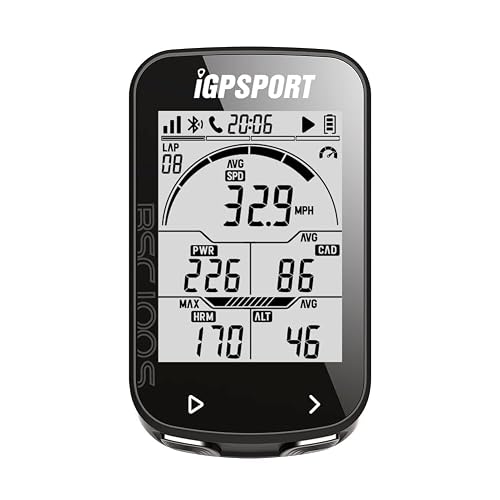
iGPSPORT BSC100S GPS Bike Computer Wireless, 2.6'' LCD Display 40H Rechargeable Waterproof Cycling Computer Bluetooth ANT+
Product Overview
The BSC100S is a wireless GPS bike computer from iGPSPORT, a brand known for budget-friendly cycling electronics. The product name and listing describe a 2.6-inch LCD display, a rechargeable battery rated at about 40 hours, a waterproof housing, and support for both ANT+ and Bluetooth connectivity. Those are the points the seller emphasizes, and they define the unit’s intended role: a straightforward head unit that pairs with a heart rate strap, cadence or speed sensor, and optionally a power meter, then records and displays your ride data.
Because it is a GPS unit, it records location, speed, distance, and elevation-related data on its own, without needing your phone to be nearby during a ride. Riders who want to sync rides afterward typically use the manufacturer’s companion app or a third-party platform that accepts exported files. Setup generally involves charging the unit, pairing sensors, and choosing data screens. The device sits in the mid-range of the category: it is not a premium multi-sport head unit, but it is also not a bare speedometer.
Key Features & Specifications
The table below lists only the specifications named in the product listing or that are well established for this model. Confirm current details on the manufacturer’s page before buying, since firmware and bundled accessories can change.
| Feature | Specification |
|---|---|
| Display | 2.6-inch LCD |
| Battery life | Rated at about 40 hours |
| Charging | Rechargeable battery |
| Water resistance | Waterproof housing (rain and wet-weather riding) |
| Connectivity | ANT+ and Bluetooth |
| Positioning | GPS |
| Device type | Wireless bike computer (head unit) |
A few points deserve explanation. A 40-hour rating means that, for a typical rider logging one to two hours per day, the battery should last several days to a couple of weeks between charges, though actual results depend on backlight use, GPS update frequency, and temperature. Dual connectivity matters because ANT+ is the standard most heart rate straps, cadence sensors, and power meters use, while Bluetooth is what most phones and apps use. Having both lets you pair sensors and sync data through the phone at the same time.
Pros & Cons
Pros
- Large 2.6-inch display makes data easier to read at a glance during a ride.
- Long rated battery life reduces how often you need to charge between rides.
- Supports both ANT+ and Bluetooth, which covers most common sensors and phone apps.
- Waterproof housing suits wet-weather riding and everyday commuting.
- GPS recording works without the phone in your pocket during the ride.
- Positioned as a budget-friendly option for riders who do not need mapping.
Cons
- Not a navigation device: riders who need turn-by-turn directions or route maps will need a different unit.
- Companion app and data ecosystem are less polished than those of the largest brands, according to owner feedback patterns.
- Button layout and menu depth can take a short learning period to master.
- Fewer advanced training analytics than premium head units offer.
Performance Analysis
Performance for a bike computer comes down to three things: how accurately it records position and speed, how reliably it connects to sensors, and how easy it is to read and operate while riding. Manufacturers’ GPS claims for units in this category typically center on acquisition speed and accuracy in open sky; dense urban canyons, tree cover, and indoor storage can all affect results, as they do with any GPS device. Riders should expect the best accuracy with a clear view of the sky and a few minutes to acquire satellites after power-on.
Sensor connectivity is where ANT+ support earns its place. Heart rate straps, cadence sensors, and speed sensors are widely available in ANT+ form, and a unit with both protocols gives you more flexibility when you change or add sensors. Owners of mid-range units in this category commonly report that dropouts are more often caused by sensor battery levels or interference from other 2.4 GHz devices than by the head unit itself. Keeping sensor batteries fresh and pairing one sensor at a time during setup tends to solve most connection problems.
Display readability is a practical strength of a 2.6-inch screen. Larger text and clear data fields help when you are glancing down at a handlebar mount on a rough road. Backlight behavior and screen contrast in bright sunlight are areas where riders often adjust settings, so it is worth testing brightness and field layouts before a long ride. As always with specifications, treat the rated battery figure as a guideline, not a guarantee.
Who Should Buy This Product?
The BSC100S fits riders who want reliable core data without navigation. It is a sensible choice for commuters tracking distance and time, recreational riders who like to see speed and elevation, and fitness-focused cyclists pairing a heart rate strap or cadence sensor. Its long rated battery life suits multi-day tours in which you do not want to carry a charger for every ride.
It is a poor choice if you need turn-by-turn navigation, offline maps, or detailed route planning, or if you already rely on a specific ecosystem and want deep integration with a major platform. Riders who want advanced training features such as structured workouts on the device itself should look at higher-tier units. Skip it if you expect a premium build, a fully featured app store, or the most refined software experience on the market.
Buying Guide
When deciding whether this unit is right for you, work through a few practical questions. First, decide whether you need navigation. If you do, a unit with mapping is worth the step up. Second, check which sensors you own or plan to buy. Confirm that your heart rate strap, cadence sensor, or power meter supports ANT+ or Bluetooth, since mismatched protocols are a common source of frustration. Third, consider how you will sync data. If you prefer a particular training platform, verify that the unit’s export options work with it before you buy.
Mounting matters as much as the head unit itself. Check that the bracket fits your handlebars and that the unit can be angled for readability. Finally, weigh battery life against your riding pattern. The rated 40 hours is generous for most riders, but if you ride for many hours at high backlight settings, plan on carrying a charging cable for longer trips.
If you want to compare alternatives, two well-known options from the same brand family are worth a look. The first is the iGPSPORT BSC100MAX, a step up in screen size and with additional features aimed at riders who want a larger display and more customization.

iGPSPORT BSC100MAX GPS Bike Computer, 3'' Screen Auto Start/Stop Custom Data 40H Waterproof Bicycle Computer Wireless
The second is a generic wireless GPS speedometer with a 2.6-inch screen and auto-backlight, which suits riders who want a simpler, lower-complexity unit focused on speed and distance.
Bike Computer Wireless GPS, Bike Speedometer with 2.6 Inch Huge Screen Auto Backlight,ANT Cycling Computer
For riders who want broader comparisons across brands and features, these related articles may help: Wireless vs Wired Bike Computer: Which Is Better for Your Riding? (2026), iPhone as Bike Computer vs Dedicated Unit: Which Should You Choose?, Top 5 Bike Computers with Navigation Models for Every Rider (2026), and Stem Mounted Bike Computer vs Out-Front Mount: Which Should You Choose?.
FAQ
Does the igpsport BSC100S need a phone to record a ride?
No. As a GPS unit, it records position, speed, and distance on its own. You will typically use a phone or computer afterward to sync and review data, but the ride itself does not require your phone to be connected.
Can it connect to a heart rate strap?
Yes, provided the strap uses ANT+ or Bluetooth, which the listing states the unit supports. Pair the strap during setup and check that the connection holds before a long ride.
Is the BSC100S waterproof enough for rain?
The listing describes it as waterproof, which suits rain and wet-weather riding. Like any electronic device, avoid submerging it or exposing the charging port to water, and dry the port before charging.
How accurate is the GPS?
GPS accuracy depends on sky visibility and the environment. Expect the best results in open terrain, and allow a few minutes for satellite acquisition at the start of a ride. Tree cover and urban canyons can reduce accuracy for any GPS device.
Does it offer turn-by-turn navigation?
No. It is a data-focused head unit without the mapping and navigation features found on higher-tier computers. Riders who need route guidance should choose a navigation-capable model.
How long does the battery last in real use?
The rated figure is about 40 hours. Actual runtime varies with backlight use, GPS update settings, and temperature, so treat the rating as a useful guideline rather than a guarantee.
Is it a good first bike computer?
It can be, for riders who want simple, readable data without paying for mapping. Beginners should expect a short learning period for menus and settings, and should confirm sensor compatibility first.
Consult a professional if you have questions about training zones or health monitoring. For heart rate-based training, a coach or medical professional can help you set appropriate zones.
Final Verdict
The igpsport BSC100S is a practical, budget-oriented wireless GPS bike computer. Its 2.6-inch display, rated 40-hour battery, waterproof housing, and dual ANT+ and Bluetooth support cover the essentials for commuting, recreational riding, and fitness tracking. It is not the right pick for riders who need navigation, mapping, or advanced training features, and riders who value a polished app ecosystem may prefer a major brand. For everyone else who wants clear, reliable data without extra complexity, it is a solid choice to consider.
Related reading
- Igpsport Binavi Bike Computer Review: Features and Performance
- Wahoo Versus Garmin Bike Computer (2026): Which Is Better for Your Riding?
About Caleb Morgan
Caleb Morgan is part of our editorial team and reviews and edits our cycling apparel & tech guides, checking product details against manufacturer specifications and owner feedback.










Write Your Review
No reviews yet. Be the first to share your experience!