 By Caleb Morgan
Updated November 2026
Finding the best entry level bike computer starts with knowing what you actually need to track. A new rider may only want speed, distance and a clock, while someone building toward longer rides may want GPS routing, cadence and wireless sensor support. This guide compares seven beginner-friendly models using a research-based method: we reviewed manufacturer specifications, brand reputation and patterns in owner feedback. Our criteria were ease of setup, core data fields, battery life, weather resistance, mounting compatibility and how well each unit suits a first-time buyer.
Our top picks at a glance
- 1
 TOP CHOICEBest overallCYCPLUS GPS Wireless Bike Computer M1View on Amazon
- 2
 TOP CHOICEBest for simple wired setupsCATEYE Wired Bike ComputerView on Amazon
- 3
 TOP CHOICEBest for wireless easeL4 Entry Level GPS Bike Computer WirelessView on Amazon
- 4
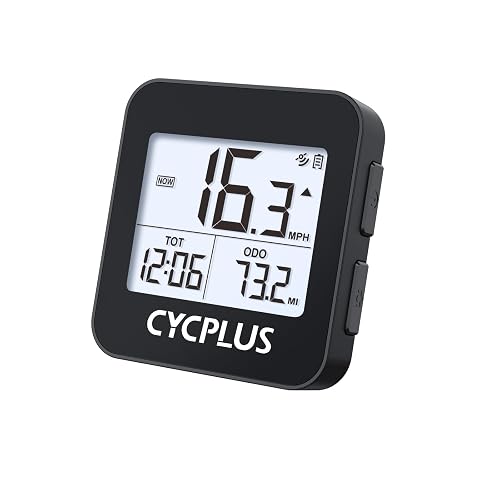 Best for long battery lifeCYCPLUS Wireless GPS Bike Computer G1View on Amazon
- 5
 Best for a larger screenBicycle Speedometer Odometer Wireless GPS Bike ComputerView on Amazon
- 6
 Best budget pickCOOSPO BC26 Cycling ComputerView on Amazon
- 7
 Best for navigation featuresiGPSPORT BSC500 GPS Bike ComputerView on Amazon
Our Top Picks
Quick Comparison
| Product | Best for | Key feature |
|---|---|---|
| CYCPLUS GPS Wireless Bike Computer M1 | Best overall | Four-satellite positioning with Strava sync |
| CATEYE Wired Bike Computer | Simple wired setups | Auto start/stop with no pairing required |
| L4 Entry Level GPS Bike Computer | Wireless ease | IPX7 waterproof rating with Bluetooth and ANT+ |
| CYCPLUS Wireless GPS Bike Computer G1 | Long battery life | Runtime listed above 55 hours |
| Bicycle Speedometer Odometer Wireless GPS Bike Computer | Larger screen | 2.4-inch display with altitude and gradient data |
| COOSPO BC26 Cycling Computer | Budget pick | Wireless GPS with automatic backlight |
| iGPSPORT BSC500 GPS Bike Computer | Navigation features | 3.3-inch touch screen with map and voice navigation |
CYCPLUS GPS Wireless Bike Computer M1
4 Satellite Positioning, Bluetooth/ANT+, Auto Backlight Speedometer, >60 hours Working Time, Sync to CYCPLUS FIT and Strava CYCPLUS GPS Wireless Bike Computer M1, 2.9" LCD Screen, IPX6, 1200mAh
Best for: Riders who want GPS accuracy and app syncing at an entry-level price point.
This model suits someone who plans to log routes and wants data to sync with a training platform without buying a premium unit. It is a good step up for riders who have outgrown basic speed and distance counters.
Key specs:
- Four-satellite positioning
- Bluetooth and ANT+ connectivity
- 2.9-inch LCD screen
- IPX6 water resistance
- 1200mAh battery
Pros:
- GPS tracking supports route logging
- Syncs with CYCPLUS FIT and Strava
- Dual wireless protocols cover most sensors
Cons:
- Screen is smaller than some competitors
- Setup involves a phone app, which adds a step for non-tech-focused riders
Bottom line: A strong all-round choice for a rider who wants GPS and app data without stepping up to a high-end unit.
CATEYE Wired Bike Computer
Entry-Level Speedometer and Odometer, Perfect for Beginner Cyclists, Auto Start/Stop, Easy Setup for Road, MTB, Gravel Bikes CATEYE Wired Bike Computer
Best for: Riders who want the simplest possible speedometer and odometer.
A wired unit fits a rider who rides mostly on fixed routes, does not need GPS, and prefers no batteries to manage on the sensor side. Owners often describe it as dependable for commuting and casual road use.
Key specs:
- Wired speed sensor connection
- Automatic start and stop
- Speed, odometer and trip distance display
Pros:
- Very easy to set up and understand
- Works on road, mountain and gravel bikes
- No pairing or app required
Cons:
- Wires need careful routing along the frame
- No GPS, cadence or wireless sensor support
Bottom line: The right choice for a rider who wants basic metrics and a tidy, wire-based setup.
L4 Entry Level GPS Bike Computer Wireless
L4 Entry Level GPS Bike Computer Wireless, Laminated 2.3" Screen, Ultra Thin and Lightweight Bike Speedometer, IPX7 Waterproof, Bluetooth ANT+ Cycling Computer
Best for: Riders in wet conditions who want a slim, sealed wireless unit.
This computer suits commuters and recreational riders who ride in rain or mud and want a lightweight, thin profile. The wireless setup avoids cable routing, which many beginners find easier.
Key specs:
- 2.3-inch laminated screen
- IPX7 waterproof rating
- Bluetooth and ANT+ connectivity
Pros:
- High waterproof rating for wet rides
- Slim, lightweight body
- Wireless installation without cable runs
Cons:
- Smaller screen limits how much data shows at once
- Advanced training metrics are limited at this level
Bottom line: Best for a beginner who rides in harsh weather and wants a clean, wireless setup.
CYCPLUS Wireless GPS Bike Computer G1
Pocket-Size, Bicycle Speedometer Odometer with Automatic Backlight, >55h Working Time, Provide Professional Data Analysis CYCPLUS Wireless GPS Bike Computer G1, 70g, 2.0" Screen, IPX6, 1200mAh
Best for: Riders who go on long outings and do not want to charge often.
Battery life is the main reason to consider this model. It suits riders doing multi-hour rides or bike tours where charging on the road is inconvenient.
Key specs:
- 2.0-inch screen with automatic backlight
- IPX6 water resistance
- 1200mAh battery
- Lightweight body at 70 grams
Pros:
- Long listed working time
- Automatic backlight helps in low light
- Compact and light on the handlebar
Cons:
- Screen is small for reading multiple fields at once
- Mounting options depend on the included bracket style
Bottom line: A good fit for riders whose main concern is battery endurance on long days.
Bicycle Speedometer Odometer Wireless GPS Bike Computer
Bicycle Speedometer Odometer, Green Auto Backlight, Auto Start Stop, MPH/KMH, Altitude and Gradient Data Wireless GPS Bike Computer, 50g, 2.4" Screen, IPX7, 28H Runtime
Best for: Riders who want larger, easier-to-read numbers while moving.
A bigger display helps riders who glance down often, especially on mountain or gravel terrain where attention is split. The altitude and gradient data also appeal to riders who like to see climbs.
Key specs:
- 2.4-inch screen
- Automatic green backlight
- IPX7 waterproof rating
- Altitude and gradient data
Pros:
- Larger screen is easier to read at a glance
- Altitude and gradient fields add useful context
- Strong waterproof rating
Cons:
- Brand and model information is less established than some competitors
- Owners should confirm sensor compatibility before buying
Bottom line: Suited to riders who value readability and climb data over a compact body.
COOSPO BC26 Cycling Computer
COOSPO BC26 Cycling Computer for Road Bikes, Wireless GPS Bike Computer for Entry Level Rider, GPS Bicycle Speedometer Odometer Wireless Cycling Computer with Automatic Backlight
Best for: Budget-minded riders who still want wireless GPS basics.
This is a practical option for someone who wants speed, distance and GPS-based data without paying for extra features they may not use yet. It works well as a first computer for road riders.
Key specs:
- Wireless GPS
- Automatic backlight
- Speedometer and odometer functions
Pros:
- Straightforward feature set
- Wireless GPS for route tracking
- Good value for beginners
Cons:
- Fewer advanced training fields
- Owners sometimes mention a learning curve in the menus
Bottom line: A sensible budget pick for riders who want GPS without extra complexity.
iGPSPORT BSC500 GPS Bike Computer
iGPSPORT BSC500 GPS Bike Computer, 3.3'' Touch Screen MAP Voice Navigation
Best for: Riders who want turn-by-turn style navigation and a touch interface.
This model suits riders who explore unfamiliar routes and want map guidance on the handlebar. The touch screen is an advantage for riders who find buttons fiddly with gloves on, though gloves can reduce touch response on some units.
Key specs:
- 3.3-inch touch screen
- Map display
- Voice navigation
Pros:
- Map and voice navigation for route following
- Large touch screen
- Useful for exploring new areas
Cons:
- Navigation features draw more battery than basic units
- Touch input can be less reliable with thick gloves
Bottom line: The best fit for a beginner who wants navigation help more than minimal metrics.
Buying Guide
Wired vs. wireless connection
Wired units use a cable from a magnet on the wheel to the handlebar head. They are simple and reliable but require careful routing. Wireless units use a sensor pair and are easier to install, which is why many beginners prefer them. Check whether the computer supports your sensor type before buying.
Good picks for this: CATEYE Wired Bike Computer, L4 Entry Level GPS Bike Computer Wireless
GPS tracking and route data
GPS lets a computer record your route, distance and elevation without relying on a wheel sensor. Indoor riding or tunnels can disrupt satellite signal, so check whether the unit also offers wheel-based speed as a backup.
Good picks for this: CYCPLUS GPS Wireless Bike Computer M1, COOSPO BC26 Cycling Computer
Screen size and readability
A screen between about 2 and 3.3 inches covers most entry-level needs. Larger screens are easier to read while moving, but they add weight and draw more power. Consider how many data fields you want on screen at once.
Good picks for this: Bicycle Speedometer Odometer Wireless GPS Bike Computer, iGPSPORT BSC500 GPS Bike Computer
Battery life and charging
Manufacturers list working times that vary with backlight use and GPS activity. If you ride long distances, prioritize a higher listed runtime. Confirm the charging method, since some units use USB charging and others use proprietary cables.
Good picks for this: CYCPLUS Wireless GPS Bike Computer G1, CYCPLUS GPS Wireless Bike Computer M1
Water resistance
Ratings such as IPX6 and IPX7 describe resistance to water spray and immersion. Both are suitable for rain and wet roads. A higher rating matters most for riders who regularly ride in heavy rain or through puddles. Rinse the unit with clean water after muddy rides and avoid pressure washers.
Good picks for this: L4 Entry Level GPS Bike Computer Wireless, Bicycle Speedometer Odometer Wireless GPS Bike Computer
Mounting and fit
Most computers use a handlebar or stem mount. Measure your handlebar diameter and check whether the bracket is compatible. Some units can be moved between bikes quickly, which helps riders with more than one bike.
Good picks for this: CATEYE Wired Bike Computer, CYCPLUS Wireless GPS Bike Computer G1
Compatibility with sensors and apps
If you plan to add a heart rate strap, cadence sensor or power meter later, check for ANT+ or Bluetooth support. Also confirm whether the companion app works with your phone and the training platform you prefer.
Good picks for this: CYCPLUS GPS Wireless Bike Computer M1, L4 Entry Level GPS Bike Computer Wireless
FAQ
What is the best entry level bike computer for a beginner?
For most beginners, a wireless GPS model with a simple menu and a clear screen is the most practical starting point. The CYCPLUS GPS Wireless Bike Computer M1 is a solid all-round option, while a wired unit may suit riders who want the simplest setup.
Do I need GPS on an entry-level bike computer?
Not always. GPS is useful for recording routes and elevation, but a wheel-sensor speedometer covers basic speed and distance. If you plan to navigate or log rides for later analysis, GPS is worth having.
Can I use a bike computer with any bike?
Most computers fit road, mountain, gravel and hybrid bikes. The main variables are handlebar diameter and the type of mount. Check the bracket specifications before buying, and confirm whether a wired computer will reach your sensor cleanly on your frame.
How long does the battery last on a basic bike computer?
Manufacturers specify working times that depend on backlight use, GPS activity and temperature. Riders who use the backlight often or track GPS continuously should expect shorter runtimes than the listed maximum. Charge the unit before long rides.
Is a waterproof bike computer necessary?
If you ride in rain, snow or wet conditions, water resistance is important. Look for IPX6 or IPX7 ratings. Riders who mainly ride in dry weather can accept a lower rating, though rinsing the unit after muddy rides is still good practice.
Can an entry-level computer connect to heart rate monitors?
Some entry models support ANT+ or Bluetooth sensors, which allows heart rate or cadence pairing. Check the product specifications before purchase, since not all basic units support external sensors.
Should I buy a wired or wireless bike computer?
Wired units are simple and rarely need charging, but they require careful cable routing. Wireless units are easier to install and suit most beginners. Choose based on how much you value installation simplicity versus minimal maintenance.
Conclusion
The best entry level bike computer depends on what you plan to track. The CYCPLUS GPS Wireless Bike Computer M1 is a well-rounded choice for GPS and app syncing. The CATEYE Wired Bike Computer suits riders who want the simplest possible setup. The L4 Entry Level GPS Bike Computer Wireless fits riders who ride in wet weather, while the CYCPLUS Wireless GPS Bike Computer G1 suits long rides where battery life matters. Riders who want a bigger display may prefer the Bicycle Speedometer Odometer Wireless GPS Bike Computer, budget-focused buyers can consider the COOSPO BC26, and riders who want navigation should look at the iGPSPORT BSC500. Before buying, confirm mount compatibility and sensor support for your bike.
Sources
- How GPS positioning works and what affects signal accuracy (gps.gov)
- Product safety guidance relevant to cycling accessories and mounting (cpsc.gov)
- Rider visibility and safe riding practices on public roads (nhtsa.gov)
Related reading
- Wahoo GPS Bike Computer: 7 Best Models Compared for Every Rider (2026)
- Stationary Bike Computer Stand: 5 Best Picks for Indoor Riders (2026)
- Polar Bike Computer Mount: 6 Best Options Compared (2026)
- Garmin Solar Bike Computer Compared: 5 Best Picks for 2026
- Garmin Mountain Bike Computer: 7 Best Picks for Trail Riders (2026)
- Garmin Computer for Bike: 7 Best Picks Compared for Every Rider (2026)
About Caleb Morgan
Caleb Morgan is part of our editorial team and reviews and edits our cycling apparel & tech guides, checking product details against manufacturer specifications and owner feedback.










Write Your Review
No reviews yet. Be the first to share your experience!