 By Miles Sinclair
Updated November 2026
The SRAM Rival 1x XPLR AXS Power Meter Wide Crankset is aimed at road and gravel riders who want a sram rival power meter integrated into a single-chainring drivetrain. It suits riders already running a SRAM Rival AXS groupset who want power data without adding a separate pedal or hub sensor. It is a weaker fit for riders on two-by drivetrains, anyone with a non-SRAM groupset, or cyclists who want the lowest-cost route to power measurement. Before buying, check the bottom bracket standard and chainline on your frame, because a crankset swap is not a small job.

SRAM Rival 1x XPLR AXS Power Meter Wide Crankset
Product Overview
The SRAM Rival 1x XPLR AXS Power Meter Wide Crankset is a single-chainring crankset built around a power meter. The “1x” designation means it is meant for a single front chainring, which is the layout most gravel and modern road riders now use. The “XPLR” name points to SRAM’s gravel and adventure line, and the “wide” in the title refers to the wider Q-factor and chainring spacing used for wider-range cassettes and gravel-oriented tire clearance. The “AXS” label means it is designed to work with SRAM’s electronic AXS shifting system.
Power meter cranksets sit in a different category from pedal-based or hub-based sensors. The strain gauges are built into the crank arm itself, so the measurement happens at the drivetrain rather than at the pedal or rear wheel. Owners generally prefer this approach when they want the sensor to stay in place across bikes and do not want to swap pedals or wheels. The trade-off is that a crankset replacement is more involved than bolting on a pedal, and you need to match the spindle and bottom bracket standard to your frame.
Because the product is positioned within SRAM’s Rival tier rather than the top-end Red or Force lines, the expected appeal is a balance between cost and performance. The crankset is not intended to be the lightest or most premium option in the lineup. Its strength is that it brings a power meter into a complete, integrated SRAM system.
Key Features & Specifications
The table below lists the characteristics that can be stated with reasonable confidence from the product name and well-established details for this model line. Confirm exact measurements, weights and compatibility against the manufacturer’s current documentation before ordering, since revisions and variants are common in this category.
| Feature | What It Means |
|---|---|
| Drivetrain layout | Single front chainring (1x), suited to one-ring gravel and road setups |
| Shifting compatibility | Designed for SRAM AXS electronic shifting |
| Product line | SRAM Rival tier, within the XPLR (gravel and adventure) family |
| Measurement type | Crank-based power measurement via integrated strain gauges |
| Frame fit | Requires matching bottom bracket standard and chainline to your frame |
| Crank design | Wide-stance configuration for wider tire and cassette clearance |
| Installation | Crankset replacement, not a pedal or hub swap |
Anyone planning to ride with a power meter should also confirm how the data reaches head units. Most riders pair these systems with a SRAM AXS display or a third-party bike computer using ANT+ or Bluetooth. If you are new to how these signals work, the guide Power Meter Cycling Stages: How They Work and Which to Choose explains the basics of crank and pedal sensing.
Pros & Cons
Pros
- Integrates power measurement into the crankset, so you do not need a separate pedal or hub sensor.
- Designed to fit within the SRAM AXS ecosystem, which simplifies pairing with compatible shifters and displays.
- Single-chainring layout reduces drivetrain complexity and suits modern gravel and road setups.
- Wide-stance design is oriented toward riders who need extra tire and cassette clearance.
- Stays on one bike, which helps riders who ride multiple bikes and want consistent power data on the primary machine.
Cons
- Installation is a crankset replacement, which takes more time and tools than a pedal swap.
- Compatibility depends on bottom bracket standard, spindle and chainline, so it will not suit every frame.
- Locked into the SRAM ecosystem for the best experience, which limits mixing with other groupsets.
- Single-ring layout rules out riders who depend on a two-by or wide-range double chainring setup.
- Owners who want to move the sensor between bikes will find a crankset harder to transfer than pedals.
Performance Analysis
Performance for a crank-based power meter comes down to three things: measurement consistency, drivetrain stiffness and ease of setup. Owners of integrated crank systems in general tend to report that once calibrated and paired, the data is stable across sessions, which is what most riders care about when tracking training load over weeks. Calibration habits matter here. Riders who zero the meter before rides and check for drift tend to report the most reliable numbers.
Drivetrain feel is the second consideration. Because the strain gauges sit within the crank arm, the crankset is expected to behave like a conventional crankset in terms of stiffness and pedaling feel. Owner discussions commonly focus on whether the chainring alignment and crank spacing feel right on the frame, which is why the chainline check described below is important before purchase.
Setup is where most frustration appears in owner feedback. Replacing a crankset means removing the existing bottom bracket and cranks, checking the bottom bracket standard, and torquing the new spindle and crank bolts to the manufacturer’s specifications. Riders without a torque wrench and bottom bracket tools often choose to have a shop perform the installation. Once installed, owners generally report that the system is straightforward to maintain, though battery charging and sensor pairing should be checked after each major service.
For riders comparing power options, it helps to look at the broader picture. Crank-based systems are often chosen by riders who want measurements that stay with the bike. Pedal-based systems appeal to riders who switch bikes often. The article SRAM AXS Power Meter Picks: 7 Best Options Compared for 2026 covers how these choices play out across the SRAM range, and Power Meter Crank Arms: 3 Best Options Compared for 2026 looks at crank-arm designs in more detail.
Who Should Buy This Product?
This crankset is a good match for riders who already run or plan to run a SRAM Rival AXS groupset on a single-chainring bike. Gravel riders who want power data on a bike they ride most of the time will find the integrated approach convenient. It also suits riders who want to avoid the ongoing hassle of charging or swapping pedal-based sensors.
It is a weaker choice for riders on two-by drivetrains, anyone riding a non-SRAM groupset, or riders who swap power sensors between several bikes. Riders who want a lower-cost power measurement entry point may find pedal-based or hub-based options more practical. Riders with frames that use unusual bottom bracket standards should confirm compatibility first, since a mismatch is the most common reason for a return.
Riders who want to understand how their power numbers relate to training zones should pair this with a structured training plan. Owner feedback generally shows that the data is most useful when it is consistent over time rather than when it is compared across different sensors.
Buying Guide
Before buying any power meter crankset, work through these checks in order:
- Confirm your bottom bracket standard. Look up the bottom bracket type on your frame, such as BSA threaded or press-fit variants, and match it to the crankset specification.
- Check chainline and Q-factor. Measure from the centerline of your frame to the center of the chainring position on your existing crankset. A mismatch affects shifting and chain alignment.
- Verify drivetrain compatibility. Confirm that the crankset works with your cassette range and shifting system. Mixing mechanical and electronic components can add complexity.
- Plan for installation. Budget time and tools, or plan to have a shop install the crankset and perform a calibration check.
- Decide how you will record data. Confirm that your head unit supports the sensor protocol used by the crankset.
If the integrated crankset does not fit your situation, several well-known alternatives are worth comparing. The first is a SRAM power meter spindle designed for the DUB system, which pairs with an existing crank arm:
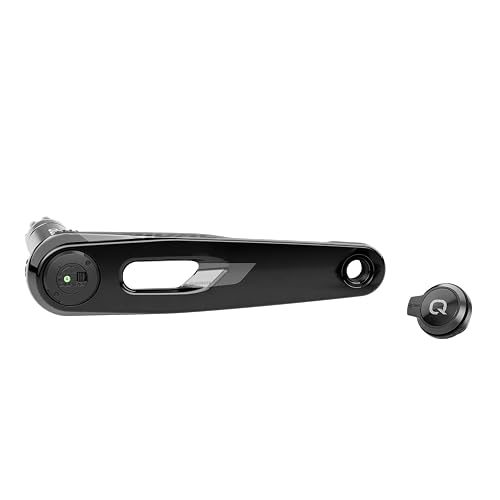
SRAM12/13-Speed, DUB PM Spindle, Black, E1 Rival Left Crank Arm and Power Meter Spindle 165mm Dub
View on Amazon. The second is a wide-format SRAM AXS crank arm and spindle set in the same family:
SRAM165mm, 12/13-Speed, DUB PM Spindle, Black, E1 Rival AXS Wide Left Crank Arm Power Meter Spindle 165mm 12/13-Speed
View on Amazon. A third route is a pedal-based system, which avoids crankset replacement altogether and suits riders who switch bikes. For a broader comparison of options across brands, see Stages Bicycle Power Meter Compared: 5 Best Options for 2026 and Top 5 Radio Frequency Power Meters Worth Considering in 2026.
FAQ
Is this crankset compatible with any bike frame?
No. Compatibility depends on the bottom bracket standard, spindle type and chainline of your frame. Measure and confirm these before ordering, and check the manufacturer’s compatibility notes.
Can I use this with a two-by drivetrain?
No. This is a single-chainring (1x) crankset, so it is not designed for two-by front shifting setups.
Do I need a specific head unit to read the power data?
Most riders pair the system with a SRAM AXS display or a third-party bike computer that supports ANT+ or Bluetooth power sensors. Confirm your head unit’s compatibility before buying.
Is installation something I can do at home?
It is possible with the right tools and a torque wrench, but it is not a beginner task. If you are unsure about bottom bracket work or torque specifications, consult a professional bike mechanic.
Will I need to recalibrate the power meter?
Most crank-based systems benefit from periodic zero-offset checks before rides. Follow the manufacturer’s calibration steps and recheck after any major service or crankset removal.
How does a crank-based meter differ from a pedal-based one?
A crank-based meter measures power at the crankset, so it stays with the bike. A pedal-based meter measures at the pedals and can be moved between bikes more easily.
Is this suitable for indoor training on a smart trainer?
A crank-based power meter will measure power when the bike is on a trainer, but many riders prefer to use the trainer’s own power measurement for structured indoor sessions. Compare the two sources before choosing your primary data.
Final Verdict
The SRAM Rival 1x XPLR AXS Power Meter Wide Crankset is a sensible choice for riders who already commit to SRAM AXS on a single-chainring bike and want power data built into the drivetrain. Its main strengths are integration and a simpler long-term experience for riders who keep power data on one bike. Its main limits are installation effort, frame compatibility and reduced flexibility if you ride several bikes or use a non-SRAM setup. Confirm your bottom bracket standard and chainline before buying, and weigh the alternatives above if your frame or riding style points elsewhere.
Before you buy: helpful guides
About Miles Sinclair
Miles Sinclair is part of our editorial team and reviews and edits our cycling apparel & tech guides, checking product details against manufacturer specifications and owner feedback.