 By Caleb Morgan
Updated November 2026
Shoppers searching for the best low cost bike computer usually want the same few things: accurate speed and distance, enough battery to get through a long ride, a display they can read in sunlight, and a mount that doesn’t rattle loose on rough pavement. This guide compares six budget-oriented models against those criteria. We weighed published specifications, brand track record, and the patterns that show up in owner feedback, with particular attention to GPS reliability, battery runtime, water resistance, and how much you give up for the lower price.
Our top picks at a glance
- 1
 TOP CHOICEBest overallBicycle Speedometer Odometer, Green Auto Backlight, Auto Start Stop, MView on Amazon
- 2
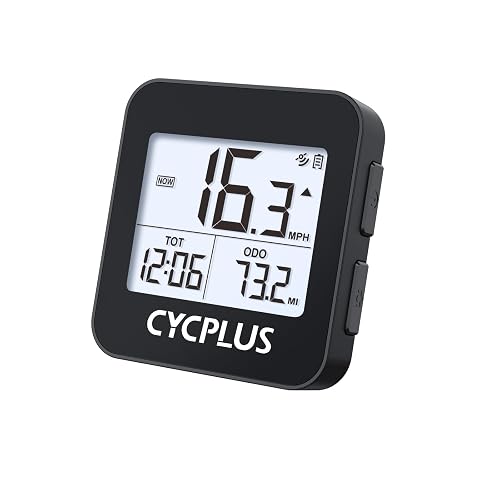 TOP CHOICEBest for long ridesCYCPLUS G1 Wireless GPS Bike ComputerView on Amazon
- 3
 TOP CHOICEBest for simple wired setupsBike Computer and Bicycle Odometer Wired MPH KM/H Bike SpeedometerView on Amazon
- 4
 Best for sensor pairingCOOSPO Bike Computer Wireless GPS, Cycling Computer GPS Bike Tracker with Bluetooth/ANT+View on Amazon
- 5
 Best touchscreen pickCOOSPO Color Touchscreen GPS Bike Computer CS600View on Amazon
- 6
 Best for navigationiGPSPORT BSC500 GPS Bike Computer, 3.3'' Touch Screen MAP Voice NavigationView on Amazon
Our Top Picks
Quick Comparison
| Product | Best for | Key feature |
|---|---|---|
| Bicycle Speedometer Odometer Wireless GPS Bike Computer | Best overall budget GPS | Altitude and gradient data, 28-hour runtime |
| CYCPLUS G1 Wireless GPS Bike Computer | Long rides without recharging | Runtime listed above 55 hours, IPX6 rating |
| Wired Bike Computer with Wake-Up | Simple setups and no GPS needed | Automatic wake-up, multi-function display |
| COOSPO GPS Bike Computer with Bluetooth/ANT+ | Pairing heart rate and cadence sensors | Bluetooth and ANT+ connectivity |
| COOSPO CS600 Color Touchscreen GPS Bike Computer | Riders who want a touch interface | Color touchscreen, IPX7 waterproofing |
| iGPSPORT BSC500 GPS Bike Computer | Turn-by-turn map navigation | 3.3-inch touchscreen with voice navigation |
Bicycle Speedometer Odometer, Green Auto Backlight, Auto Start Stop, Wireless GPS Bike Computer
Bicycle Speedometer Odometer, Green Auto Backlight, Auto Start Stop, MPH/KMH, Altitude and Gradient Data Wireless GPS Bike Computer, 50g, 2.4" Screen, IPX7, 28H Runtime
Best for: Budget overall GPS tracking for everyday and weekend riders We also found Best Bike Lights for Night Riding: 6 Lights Compared useful on this point.
This is a good fit for riders who want GPS speed, distance, and elevation data without paying for a full navigation unit. Its small footprint suits road and commuter bikes alike.
Key specs
- Display: 2.4-inch screen with automatic green backlight
- Weight: about 50 g
- Water resistance: IPX7
- Battery runtime: listed at around 28 hours
- Features: auto start/stop, MPH and KM/H units, altitude and gradient data
Pros
- Light enough to ignore on the handlebar
- Auto start/stop saves you from forgetting to pause
- Gradient and altitude data add useful climb information at this price
Cons
- Lighter build feels less robust than premium units over years of use
- Smaller screen makes at-a-glance reading harder on rough terrain
Bottom line: The most balanced choice for someone who wants real GPS data without spending much.
CYCPLUS G1 Wireless GPS Bike Computer
Pocket-Size, Bicycle Speedometer Odometer with Automatic Backlight, >55h Working Time, Provide Professional Data Analysis CYCPLUS Wireless GPS Bike Computer G1, 70g, 2.0" Screen, IPX6, 1200mAh
Best for: Long rides and multi-day trips where charging is inconvenient
Owners who ride for many hours between charges tend to value this model’s battery figures. It is also compact enough for riders who dislike bulky mounts.
Key specs
- Display: 2.0-inch screen with automatic backlight
- Weight: about 70 g
- Water resistance: IPX6
- Battery: 1200 mAh, with working time listed above 55 hours
Pros
- Very long listed battery life for a GPS unit
- Pocket-size form factor
- Automatic backlight adjusts for changing light
Cons
- Smaller 2.0-inch display limits how much data fits on screen
- IPX6 is less protection than IPX7 if you ride in heavy rain
Bottom line: A strong pick for endurance riders and tourers who want GPS without frequent recharging.
Bike Computer and Bicycle Odometer Wired MPH KM/H Bike Speedometer
Bike Computer and Bicycle Odometer Wired MPH KM/H Bike Speedometer with Automatic Wake-Up Cycling Speed Tracker LCD Display & Single Mileage & Multi-Functions Accessories
Best for: Simple speed and distance tracking without GPS
Riders who only want speed, distance, and odometer readings, and who are comfortable with a wired sensor, will find this unit uncomplicated and inexpensive to run.
Key specs
- Type: wired bike computer with LCD display
- Units: MPH and KM/H
- Features: automatic wake-up, single mileage plus multi-function readout
- Battery: no GPS, so runtime is generally much longer than GPS units
Pros
- No satellite lock required
- Easy to install on most road and hybrid bikes
- Low maintenance once the magnet and sensor are aligned
Cons
- Wiring adds cable clutter and can snag
- No route, elevation, or navigation data
Bottom line: Best for riders who want basic numbers and are happy with a wired setup.
COOSPO Bike Computer Wireless GPS, Cycling Computer GPS Bike Tracker with Bluetooth/ANT+
COOSPO Bike Computer Wireless GPS, Cycling Computer GPS Bike Tracker with Bluetooth/ANT+, Waterproof Bicycle Computer GPS Speedometer with Auto Backlight, 2.4 inch LCD Display
Best for: Pairing heart rate monitors, cadence sensors, and power meters
This model suits riders who already own sensors and want a budget head unit that can read them over both Bluetooth and ANT+.
Key specs
- Display: 2.4-inch LCD with auto backlight
- Connectivity: Bluetooth and ANT+
- Tracking: GPS speed, distance, and route recording
- Water resistance: waterproof rated housing
Pros
- Dual-protocol sensor support widens compatibility
- Larger 2.4-inch display than many budget rivals
- Auto backlight helps in changing light
Cons
- Sensor setup takes patience for beginners
- Monochrome-style LCD is less intuitive than a touchscreen
Bottom line: A sensible choice for riders building a low-cost training setup around existing sensors.
COOSPO Color Touchscreen GPS Bike Computer CS600
COOSPO Color Touchscreen GPS Bike Computer CS600, Wireless IPX7 Waterproof Cycling GPS Speedometer with Bluetooth/ANT+, Backlight Route Navigation, Support Bike Radar & 36H Battery Life
Best for: Riders who prefer a touch interface and route navigation
If you find button-based units fiddly, the touchscreen here makes menus and page changes quicker, especially with gloves removed.
Key specs
- Display: color touchscreen with backlight
- Water resistance: IPX7
- Connectivity: Bluetooth and ANT+
- Features: route navigation, bike radar support
- Battery: listed with roughly 36 hours of life
Pros
- Color touchscreen is easier to navigate than buttons
- IPX7 rating gives strong water protection
- Route navigation adds value over basic speed units
Cons
- Touch response can lag in cold or wet conditions for some owners
- Battery life drops noticeably with heavy backlight use
Bottom line: The best balance of touchscreen usability and water protection among budget units here.
iGPSPORT BSC500 GPS Bike Computer, 3.3” Touch Screen MAP Voice Navigation
iGPSPORT BSC500 GPS Bike Computer, 3.3'' Touch Screen MAP Voice Navigation
Best for: Map-based turn-by-turn navigation on unfamiliar routes
Riders who regularly ride new roads or want spoken directions will get the most from this model’s larger map display.
Key specs
- Display: 3.3-inch touchscreen
- Features: MAP display and voice navigation
- Type: GPS bike computer with route guidance
Pros
- Large screen makes map reading practical
- Voice navigation keeps eyes on the road
- Route guidance is a rare feature at this price tier
Cons
- Larger screen means more battery draw and a bigger mount footprint
- Map setup and route loading take more learning than simple speed units
Bottom line: Pick this if navigation matters more to you than the smallest, lightest unit.
Buying Guide
GPS versus wired sensors
GPS units calculate speed and distance from satellite data and do not need a magnet on the wheel. They work well on bikes you move between, but they need a clear sky view to lock on and burn more battery. Wired units are cheaper to run and last longer on a charge, but they require careful sensor alignment. Choose GPS if you ride unfamiliar routes or switch bikes often; choose wired if you ride the same bike on the same roads.
Good picks for this: Bicycle Speedometer Odometer Wireless GPS Bike Computer, Wired Bike Computer with Wake-Up
Battery life and charging
Manufacturers list battery figures under specific conditions, usually with the backlight off and GPS at a standard recording rate. Expect real-world runtime to fall short of the listed number, especially in cold weather or with a bright screen. For a ride of four hours or more, look for a listed runtime well above that and a USB-C or micro-USB charge port you already own cables for.
Good picks for this: CYCPLUS G1 Wireless GPS Bike Computer, Bicycle Speedometer Odometer Wireless GPS Bike Computer
Display size and readability
Screen size affects how much data you can see at once and how easily you read it while riding. Screens around 2.0 to 2.4 inches show speed, distance, and one or two extra fields comfortably. Larger 3.3-inch screens handle maps but need more room on the handlebar. Check whether the screen has a backlight, and whether it is readable in direct sunlight, which many budget LCDs struggle with.
Good picks for this: iGPSPORT BSC500 GPS Bike Computer, COOSPO Color Touchscreen GPS Bike Computer CS600
Water resistance ratings
IP ratings describe protection against dust and water. An IPX6 rating covers strong water jets, while IPX7 covers temporary immersion. Both are fine for rain and puddles, but if you ride in downpours or wash your bike with a hose, IPX7 gives more margin. Water resistance is not waterproofing for submersion, so avoid leaving the unit in standing water.
Good picks for this: COOSPO Color Touchscreen GPS Bike Computer CS600, CYCPLUS G1 Wireless GPS Bike Computer
Sensor compatibility
If you own a heart rate strap, cadence sensor, or power meter, check which protocols the computer supports. Bluetooth connects to phones and many newer sensors, while ANT+ is common in training gear and older sensors. Some budget units support both, which makes pairing far more flexible. Confirm compatibility before you buy rather than after.
Good picks for this: COOSPO GPS Bike Computer with Bluetooth/ANT+, COOSPO Color Touchscreen GPS Bike Computer CS600
Mounting and fit
Measure your handlebar diameter before buying, because most mounts fit a specific range, commonly around 22 to 31.8 millimeters for road bars. Confirm the mount works with your stem and any aero bar setup. A computer that wobbles on bumps will misreport less than you might fear, but it will be annoying to read and can crack its mount over time.
Good picks for this: Wired Bike Computer with Wake-Up, Bicycle Speedometer Odometer Wireless GPS Bike Computer
Care and durability
Rinse the unit after muddy or salty rides, keep the charging port clean and dry, and avoid storing the computer in direct heat. Check mounts periodically for loose bolts. Budget units generally last well with this kind of basic care, but plastic clips and screen protectors are the usual weak points. Keep the original packaging if you plan to sell or return the unit later.
Good picks for this: CYCPLUS G1 Wireless GPS Bike Computer, iGPSPORT BSC500 GPS Bike Computer
FAQ
What is the best low cost bike computer for beginners?
For most beginners the Bicycle Speedometer Odometer Wireless GPS Bike Computer is a sensible starting point because it offers GPS speed, distance, and altitude without a complicated setup. If you prefer no satellite tracking at all, a wired unit is simpler to understand.
Do budget bike computers need a phone app?
Many do not. Basic units show data on their own screens and do not need a phone. Models that support Bluetooth can usually sync to a phone or training app, which adds route history and deeper analysis.
Is GPS accurate enough for a budget bike computer?
GPS speed and distance are generally reliable on open roads. Accuracy can drop under dense tree cover, in tunnels, or between tall buildings. Wired units measure wheel rotation and can be more consistent in those conditions, though they require calibration to your wheel size.
How long should a bike computer battery last?
For most riders, a listed runtime above about 20 hours covers several weeks of normal riding between charges. Long-distance riders should look for figures well above that, and remember that real-world runtime is usually shorter than listed.
Can I use a budget bike computer with heart rate and cadence sensors?
Yes, if the unit supports the sensor’s protocol. Check for Bluetooth, ANT+, or both before buying. The COOSPO models in this list, for example, support Bluetooth and ANT+ connections.
Do I need a wired or wireless bike computer?
Wireless units with GPS are easier to install and move between bikes. Wired units avoid battery worries but need careful sensor placement. Your choice depends on how many bikes you own and how often you change them.
Is a touchscreen worth it on a budget computer?
A touchscreen makes menus faster, but it adds cost and can respond poorly in wet or cold conditions. If you ride in mild weather and want a simple interface, a button-based screen may serve you better.
Conclusion
For the best low cost bike computer in most situations, the Bicycle Speedometer Odometer Wireless GPS Bike Computer offers the broadest balance of GPS data and simplicity. Riders who prioritize battery life for long days should look at the CYCPLUS G1. Those who only want basic numbers will be happiest with the wired unit. If you already own heart rate or cadence sensors, the COOSPO GPS model handles them well, and riders who want a touch interface or navigation can consider the COOSPO CS600 or iGPSPORT BSC500. Match the computer to your riding style, check the sensor and mount compatibility, and you will get the most value from a budget purchase.
Sources
- Background on GPS accuracy and timing standards that affect satellite-based speed and distance readings (nist.gov)
- Guidance on bicycle equipment, rider safety and mounting practices
- Consumer safety information on product construction, battery handling and charging (cpsc.gov)
Related reading
- Wahoo GPS Bike Computer: 7 Best Models Compared for Every Rider (2026)
- Wahoo Elemnt Roam GPS Bike Computer: 5 Best Picks Compared (2026)
- Top 5 Bike Computers with Navigation Models for Every Rider (2026)
- Stationary Bike Computer Stand: 5 Best Picks for Indoor Riders (2026)
- Smallest Garmin Bike Computer: 5 Best Picks Compared (2026)
About Caleb Morgan
Caleb Morgan is part of our editorial team and reviews and edits our cycling apparel & tech guides, checking product details against manufacturer specifications and owner feedback.










Write Your Review
No reviews yet. Be the first to share your experience!