 By Caleb Morgan
Updated November 2026
Riding in low light changes what your eyes need. Dusk, dawn, heavy overcast and tunnels all reduce contrast, and a dark tinted lens that works fine at noon can make the road ahead harder to read. Finding the best cycling glasses for low light means looking at lens color and light transmission, not just UV protection. This guide compares six options against four criteria: how much light the lens passes, how well it keeps contrast, how it handles wind and debris, and how comfortable it is over a long ride.
Our top picks at a glance
- 1
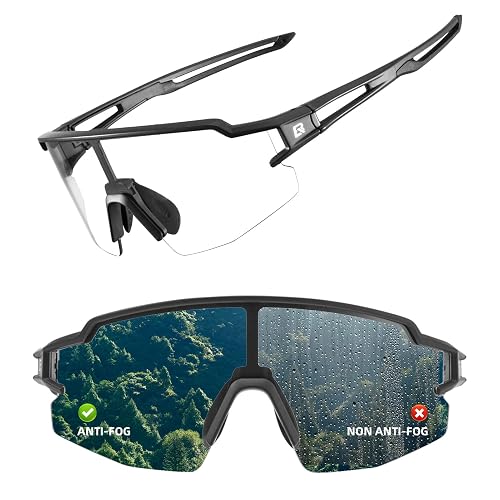 TOP CHOICEBest overallLightweight Unobstructed View Cycling Sun Glasses – UV400 Protection GView on Amazon
- 2
 TOP CHOICEBest for night ridingAnti Glare Goggles Sport Sunglass SCVCN Night Vision Driving Glasses Polarized Yellow LensView on Amazon
- 3
 TOP CHOICEBest for changing light3 Lenses Cycling Sunglasses KAPVOEView on Amazon
- 4
 Best for mixed-light commutesUV400 Protection Photochromic, Yellow Light Enhancing & Clear Lens, foView on Amazon
- 5
 Best for swapping lensesX-TIGER Polarized Cycling Glasses with 5 Interchangeable LensesView on Amazon
- 6
 Best budget pickLamicall 24g Polarized Sports Sunglasses for Men Women UV400 ProtectionView on Amazon
Our Top Picks
Quick Comparison
| Product | Best for | Key feature |
|---|---|---|
| Lightweight Unobstructed View Cycling Sun Glasses (ROCKBROS) | Overall low-light versatility | Myopia-style frame with photochromic-type lens |
| Anti Glare Goggles Sport Sunglass (SCVCN) | Night riding | Yellow lens for contrast after dark |
| 3 Lens Cycling Sunglasses (KAPVOE) | Changing light conditions | Three lenses including a clear low-light lens |
| Photochromic Cycling Sunglasses (ROCKBROS) | Mixed-light commutes | Light-adjusting lens plus yellow and clear options |
| Polarized Cycling Glasses (X-TIGER) | Riders who want lens variety | Five interchangeable lenses |
| Polarized Sports Sunglasses (Lamicall) | Budget-minded riders | Lightweight polarized frame |
Lightweight Unobstructed View Cycling Sun Glasses – UV400 Protection Goggle with Myopia Frame ROCKBROS Photochromic Sports Sunglasses
Lightweight Unobstructed View Cycling Sun Glasses – UV400 Protection Goggle with Myopia Frame for Running Cycling Driving ROCKBROS Photochromic Sports Sunglasses Professional Anti Fog for Cycling
Best for: Overall low-light versatility Best Bike Lights for Night Riding: 6 Lights Compared goes further into this.
This is a good fit for riders who move between daylight, dusk and shaded roads and want one pair to cover most of it. The frame is designed to keep the lower field of view open, which many riders prefer on the bike.
Key specs
- UV400 protection, as stated in the listing
- Photochromic lens type, as named in the listing
- Anti-fog treatment, as described for the model
Pros
- Lens adjusts across light levels, reducing the need to swap glasses
- Open frame geometry suits a riding position with the head down
- Lightweight build for longer rides
Cons
- Photochromic lenses take a short time to adjust, which can matter at sudden light changes
- Very dark conditions still favor a dedicated clear or yellow lens
Bottom line: A strong first choice for riders who want one pair that handles most light conditions without much thought.
Anti Glare Goggles Sport Sunglass SCVCN Night Vision Driving Glasses Polarized Yellow Lens
Anti Glare Goggles Sport Sunglass Bicycle MTB Running Cycling Mountain Bike Biking BMX Fishing SCVCN Night Vision Driving Glasses Polarized Yellow Lens Women Men S62
Best for: Night riding
Yellow lenses are widely used for low-light sports because they tend to increase perceived contrast. This pair suits riders who mainly ride after sunset or in heavy overcast.
Key specs
- Yellow lens, as named in the listing
- Polarized lens, as stated in the listing
- Sport goggle style for wind and debris protection
Pros
- Yellow tint is typically associated with better contrast in dim light
- Goggle-style coverage helps block wind and insects
- Suitable for both men and women per the listing
Cons
- Yellow tint changes color perception, which some riders find distracting in daylight
- Not a good choice for bright midday conditions
Bottom line: Best suited to riders who ride mostly at night and want a dedicated low-light lens.
3 Lenses Cycling Sunglasses KAPVOE
3 Lenses: PC Day, Black Polarized, Clear Low Light; UV400, 3-Position Nose Pad KAPVOE 3 Lens Cycling Sunglasses Men Women K76
Best for: Changing light conditions
This set includes a clear low-light lens alongside a day lens and a polarized black lens, so you can match the glasses to the conditions you expect on a given ride.
Key specs
- Three lenses: PC day, black polarized, clear low light (per listing)
- UV400 protection, as stated in the listing
- Three-position nose pad for fit adjustment
Pros
- Clear lens is designed for dusk and overcast use
- Multiple lenses cover a wide range of conditions
- Adjustable nose pads help fit different face shapes
Cons
- Lens swapping takes time before a ride
- Clear lenses offer little eye protection from strong glare
Bottom line: A practical choice for riders whose light changes through the day and who are willing to swap lenses.
UV400 Protection Photochromic ROCKBROS Photochromic Cycling Sunglasses Men Women 3 Interchangeable Lenses
UV400 Protection Photochromic, Yellow Light Enhancing & Clear Lens, for Cycling,MTB & Outdoor Sports ROCKBROS Photochromic Cycling Sunglasses Men Women 3 Interchangeable Lenses
Best for: Mixed-light commutes
Commuters who ride through tree-lined streets, tunnels and open roads may benefit from a photochromic lens that changes tint on its own, supplemented by yellow and clear options.
Key specs
- Photochromic lens, as stated in the listing
- UV400 protection, per listing
- Three interchangeable lenses per listing
Pros
- Light-adjusting lens covers a wide range of conditions
- Yellow light-enhancing lens available for dusk
- Clear lens option for very low light
Cons
- Photochromic response is slower in cold weather, according to common owner reports
- Multiple lenses add some weight to carry
Bottom line: Good for commuters who want automatic adjustment with a backup low-light lens.
X-TIGER Polarized Cycling Glasses with 5 Interchangeable Lenses
X-TIGER Polarized Cycling Glasses with 5 Interchangeable Lenses,MTB Biking Baseball Running Sports Sunglasses for Men Women
Best for: Riders who want lens variety
If you want to tune your eyewear to each ride, a five-lens system gives you more options than most pairs. This suits riders who ride in very different conditions across a week.
Key specs
- Polarized lenses, per listing
- Five interchangeable lenses, per listing
- Sport frame designed for biking and running, per listing
Pros
- Five lenses cover most light conditions
- Polarization reduces road and water glare
- Frame suits multiple sports
Cons
- Changing lenses regularly can be fiddly and risks losing small parts
- Some lens options will not suit very dark conditions
Bottom line: The right pick for riders who enjoy customizing their setup and expect frequent light changes.
Lamicall 24g Polarized Sports Sunglasses for Men Women UV400 Protection
Lamicall 24g Polarized Sports Sunglasses for Men Women – UV400 Protection Sun Glasses for Baseball Running Cycling Fishing
Best for: Budget-minded riders
A lightweight polarized pair for riders who want a dependable everyday option without spending heavily on specialty lenses.
Key specs
- Polarized lens, per listing
- UV400 protection, per listing
- Lightweight frame, per listing
Pros
- Lightweight build suits long rides
- Polarization helps with glare on wet roads
- Suitable for several sports
Cons
- Single polarized lens is not ideal for dusk or night riding
- Fewer lens options for changing conditions
Bottom line: A sensible pick for daylight-focused riders who occasionally ride in dim conditions.
Buying Guide
Lens Color and Light Transmission
Lens color affects how much light reaches your eyes and how contrast appears. Yellow and amber tints are commonly used for low light, while clear lenses pass the most light. Darker tints reduce light and suit bright conditions. Match the tint to the light you expect most often.
Good picks for this: SCVCN Anti Glare Goggles, KAPVOE 3 Lens Cycling Sunglasses
Photochromic Versus Fixed Lenses
Photochromic lenses darken and lighten with the amount of UV light. They adapt across a ride, but they do not respond instantly, and they may not reach full clarity in very dim conditions. Fixed lenses are predictable. If your light changes often, photochromic is useful; if you ride at one time of day, a fixed lens may be simpler.
Good picks for this: ROCKBROS Lightweight Unobstructed View, ROCKBROS Photochromic Cycling Sunglasses
Polarization
Polarized lenses reduce glare from flat surfaces like wet pavement and water. They help in bright conditions but can make some LCD screens harder to read. For dusk and night riding, polarization matters less than lens color, so do not rely on it alone.
Good picks for this: X-TIGER Polarized Cycling Glasses, Lamicall Polarized Sports Sunglasses
Fit and Coverage
Good fit keeps glasses from sliding and limits wind and debris entering from the sides. Check frame width, temple length and nose pad adjustment. Adjustable nose pads help riders with different nose shapes. Goggle-style frames offer more coverage than standard wraparounds.
Good picks for this: SCVCN Anti Glare Goggles, KAPVOE 3 Lens Cycling Sunglasses
Lens Interchangeability
Interchangeable lenses let you cover multiple conditions without buying separate pairs. Check how lenses attach and detach, and whether spare lenses are included. Store lenses in a case to avoid scratches and lost parts.
Good picks for this: X-TIGER Polarized Cycling Glasses, ROCKBROS Photochromic Cycling Sunglasses
Weight and Comfort
Glasses worn for hours can cause pressure on the nose and behind the ears. Lighter frames reduce fatigue, but very light frames may shift more on rough roads. Try to wear the glasses in a riding position if you can before committing to a long ride.
Good picks for this: Lamicall Polarized Sports Sunglasses, ROCKBROS Lightweight Unobstructed View
Care and Durability
Clean lenses with a microfiber cloth and water, not dry paper towels, which can scratch coatings. Store glasses in a hard case. Anti-fog coatings usually wear off over time, so avoid wiping them harshly. Replace lenses that show deep scratches, since these can distort vision.
Good picks for this: X-TIGER Polarized Cycling Glasses, KAPVOE 3 Lens Cycling Sunglasses
FAQ
What lens color is best for cycling in low light?
Yellow and amber lenses are commonly chosen for low-light riding because they are associated with improved contrast. Clear lenses are also used at dusk and at night because they pass the most light. Choose based on how dim your typical rides are.
Are photochromic lenses good for night riding?
Photochromic lenses adjust to light, but they usually do not become fully clear in very dim conditions. For night riding, a dedicated clear or yellow lens is generally more suitable.
Do polarized lenses help at night?
Polarization is mainly useful for reducing glare in bright conditions. At night it offers little benefit and can reduce light transmission, so it is usually less important than lens color for low-light riding.
Should cycling glasses fit over prescription glasses?
Some riders with prescriptions use wraparound or goggle styles that fit over frames, while others choose prescription inserts. If you need correction, consult an eye care professional before choosing a style, since incorrect fit can affect vision and comfort.
How do I keep cycling glasses from fogging?
Look for anti-fog coatings and ventilated frames. Avoid wearing glasses that fit too tightly against the face, and do not touch the inside of the lenses. Anti-fog performance can decline with cleaning, so treat coatings gently.
How should I clean cycling glasses?
Rinse the lenses with clean water, then dry them with a soft microfiber cloth. Avoid paper towels and household cleaners, which can damage coatings. Store glasses in a case when not in use.
Conclusion
For most riders who want one pair that handles changing light, the ROCKBROS Lightweight Unobstructed View model is a practical starting point. Riders who mostly ride at night should look at the SCVCN yellow-lens goggles. If your light changes often and you are comfortable swapping lenses, the KAPVOE three-lens set or the X-TIGER five-lens system offers more coverage. The Lamicall polarized pair suits budget-minded riders who ride mainly in daylight and only occasionally in dim conditions. Match the lens to your usual riding hours, and the right pair will follow.
Sources
- Guidance on eye protection from ultraviolet exposure and sun safety (cdc.gov)
- Information on eye health, vision and protective eyewear
- Standards information on impact and optical performance for protective eyewear
Related reading
- Women's Clear Cycling Glasses: 5 Best Picks for Low Light and Daily Rides
- Clear Glasses for Cycling: 6 Best Picks for Low Light and Daily Rides (2026)
- 6 Best Low Light Cycling Glasses for Night and Dusk Rides
- 6 Best Cycling Glasses Yellow Lens for Low-Light Riding (2026)
- 5 Best Clear Cycling Glasses: Top Picks for Low Light and Daily Rides
- 4 Best Cycling Glasses Yellow Lenses for Low-Light Riding (2026)
About Caleb Morgan
Caleb Morgan is part of our editorial team and reviews and edits our cycling apparel & tech guides, checking product details against manufacturer specifications and owner feedback.




Write Your Review
No reviews yet. Be the first to share your experience!